The Story of American Land
From the beginning, America’s story has been a story of land -- who works it, who owns it, and who it serves. Agriculture built the nation’s wealth, shaped its politics, and defined its class lines. Every generation has had to decide whether the land would remain a public trust or become a private prize.
From colonization through the New Deal, the struggle for secure farmland has mirrored the struggle for democracy itself. Policies have shifted with each era -- homesteading and land grants, conservation and electrification, globalization and consolidation -- but the question has never changed: who will own the land that feeds the country?
The Farm History timeline traces that long arc. It shows how each generation has re-secured its agricultural foundation, and why ours must do the same.
Land, Labor, and Power: Agriculture in Early America (1600s–1860s)
Before the United States existed, the story of America was a story of land and labor. European settlement involved the devastating displacement of indigenous communities, clearing forests, and building economies around export crops. From the tobacco fields of Virginia to the rice plantations of the Carolinas and the wheat farms of Pennsylvania, agriculture shaped settlement patterns, labor systems, and political power.
By the nineteenth century, cotton had become the nation’s dominant export, produced through the forced labor of enslaved African people. Agriculture built extraordinary wealth but also entrenched inequality and exploitation. Even in the North, farming defined daily life: nine out of ten Americans lived on farms or in small towns tied to them.
By the eve of the Civil War, agriculture was both the source of the country’s prosperity and the fault line that divided it. The war itself, fought in part over who would control the land and the labor that worked it, set the stage for the great land‑policy chapters that followed.
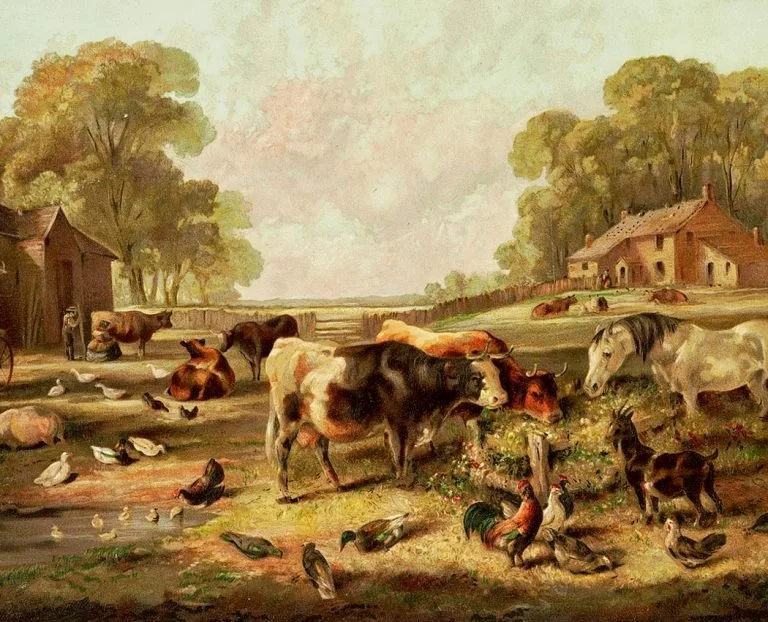
America began as a farming nation, built on the promise and peril of land whose control would define its future.
Homestead & Land‑Grant Era (1860s–1920s)
In 1862, the Homestead Act opened millions of acres of public land to settlers willing to farm and improve it, establishing independent land ownership as central to America’s promise. The new land‑grant university system and federal agricultural programs extended research and extension services into rural America, creating a cornerstone for millions of family‑owned farms. During this era, land ownership meant agency, community, and stability, and U.S. agricultural policy was built around keeping it that way.
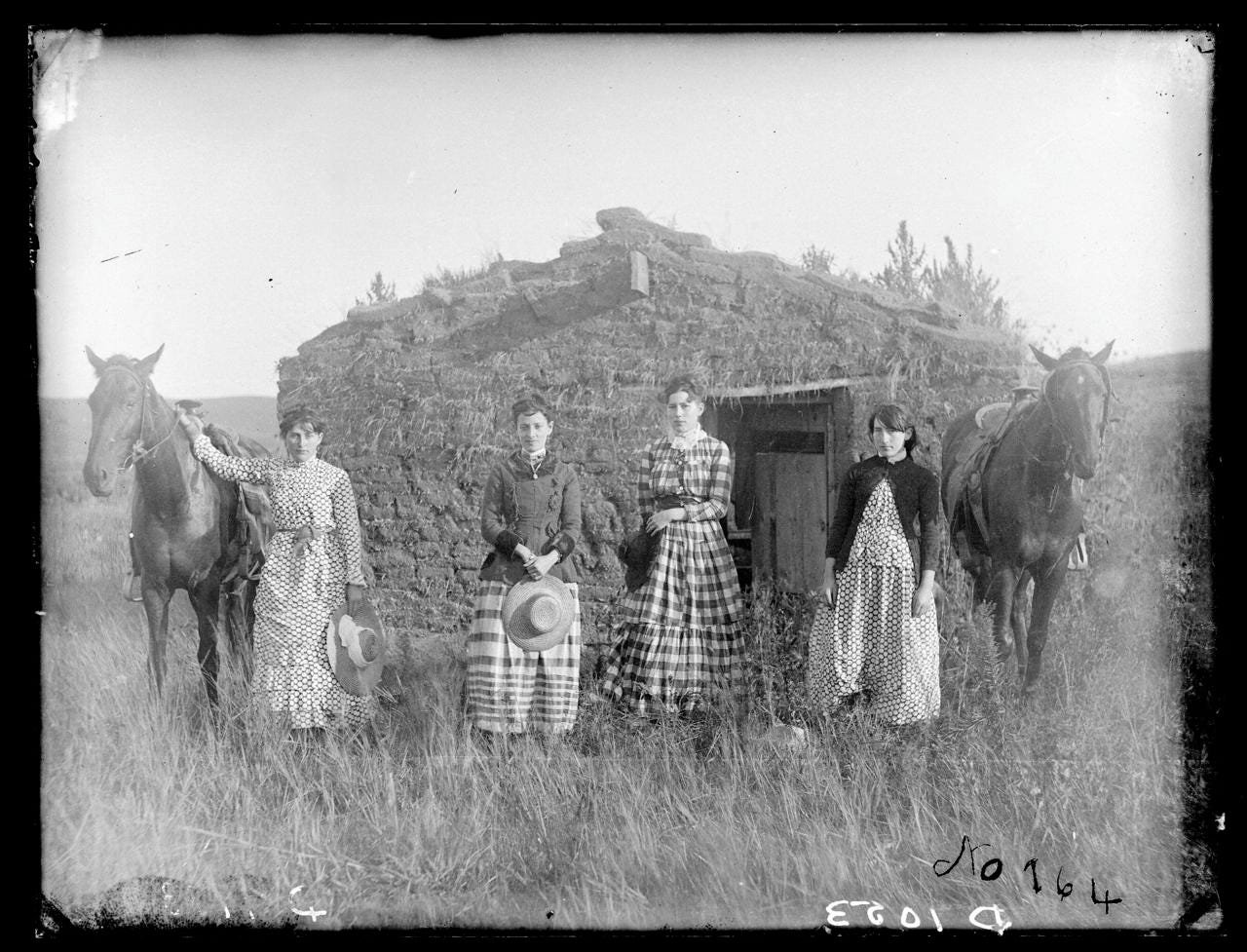
The promise of land and independence set the tone for a national project of owning and working land.
Progressive Reform & New Deal Agriculture (1920s–1940s)
As the Great Depression and the Dust Bowl ravaged rural America, federal policy shifted from crisis response to long-term reform. The Agricultural Adjustment Act of 1933 stabilized prices by paying farmers to reduce surplus production. The Farm Credit Act, passed the same year, created regional lending cooperatives that kept thousands of farms from foreclosure. Three years later, the Soil Conservation and Domestic Allotment Act of 1936 linked farm income to environmental stewardship, rewarding practices that protected the land. That same year, the Rural Electrification Act began extending power lines across the countryside, transforming daily life and productivity on the farm. Together, these measures recognized that markets alone could not sustain rural America and that public investment in stability, credit, conservation, and infrastructure was essential to the nation’s survival.
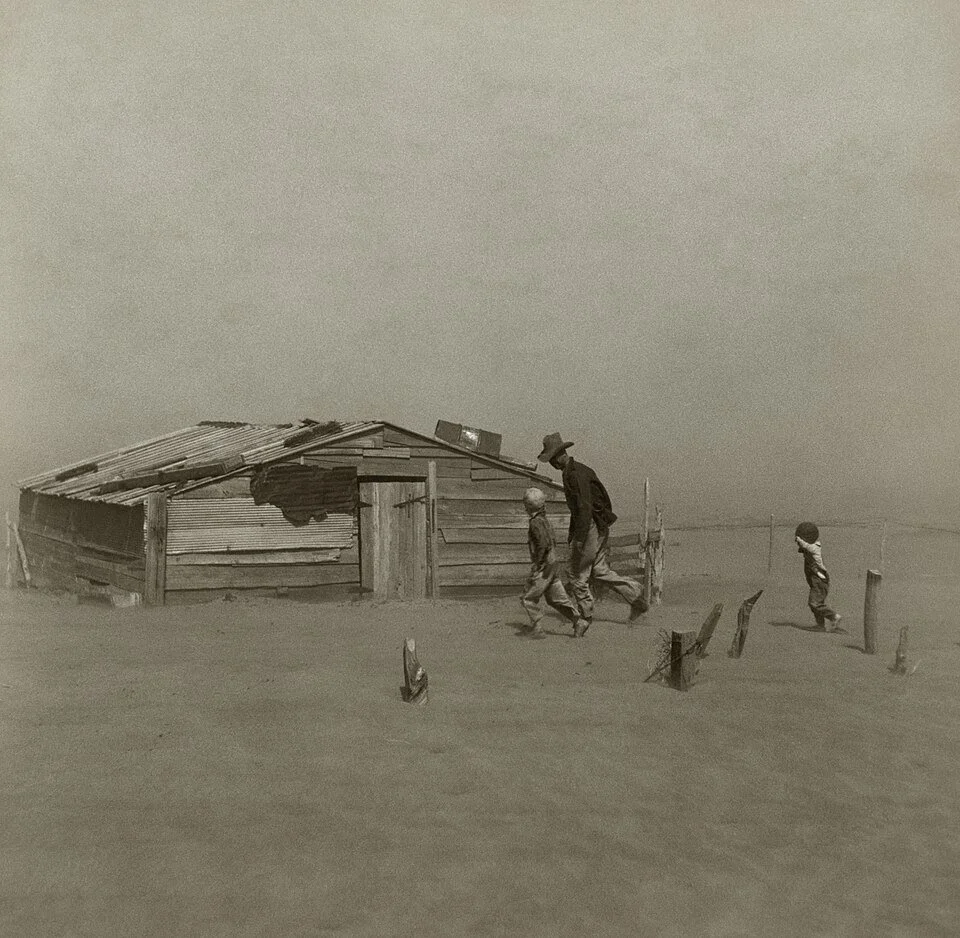
Public policy shifted from “open land” to “sustainable land”. Preserving farms meant preserving people and place.
Post‑War Modernization & the Rise of Agribusiness (1950s–1970s)
After World War II, U.S. agriculture entered a new phase characterized by technological advancements, mechanization, yield growth, and global trade expansion. Alongside growth came larger operations and rising capital intensity, creating less room for the small family farm. The existing policy infrastructure had to adapt, and in many cases, didn’t keep up with the speed of change.
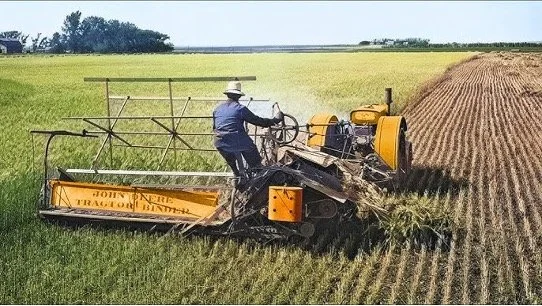
Prosperity arrived, but it brought consolidation, scale and the beginning of a new divide between family farms and corporate agriculture.
The 1980s Farm Crisis
In the 1980s, American agriculture faced an economic collapse of historic proportions. High interest rates, falling commodity prices, and debt‑laden farms triggered a wave of foreclosures, business closures, and community decline. This moment revealed how vulnerable family farmland had become when policy, markets, and community structures failed to align.
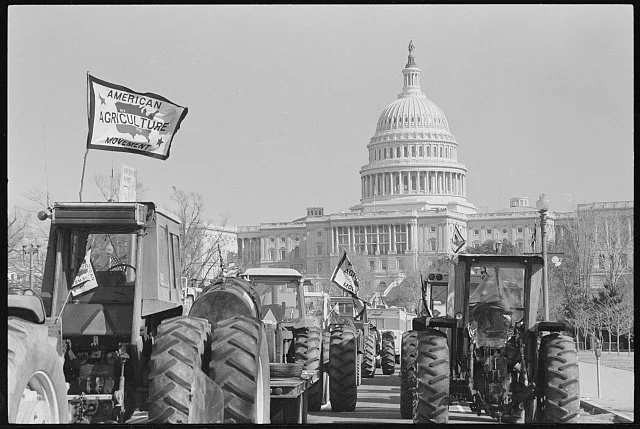
The family farm crisis was not just about crop yields; it was about ownership, debt and policy failing rural America at scale.
Globalization, Consolidation, & New Pressures (1990s–2010s)
From the 1990s onward, agriculture confronted new forces: global competition, corporate consolidation in seed and equipment industries, financialization of land, and growing barriers for new entrants. The underinvestment in policy infrastructure became more visible. Family farms struggled to compete, younger farmers found fewer pathways in, and farmland increasingly became a financial asset rather than a working landscape.
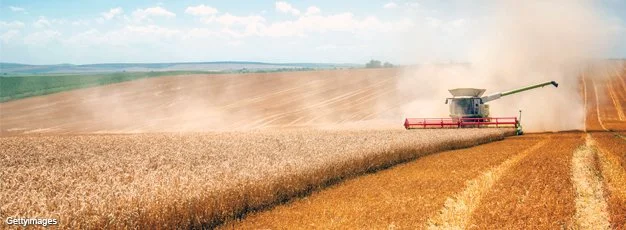
The new pressures are systemic, not cyclical, and policy needs to catch up.
Current Moment: Risk & Opportunity
Today, family farmland stands at a crossroads. The policies that once supported independent producers have weakened. Younger generations face heavy debt, rising land costs, and shrinking access. At the same time, interest in local food systems, regenerative agriculture, and access to farmland is growing. The opportunity is this: to rebuild policy so that farmland remains working land, owned and stewarded by those who live on it and care for it.
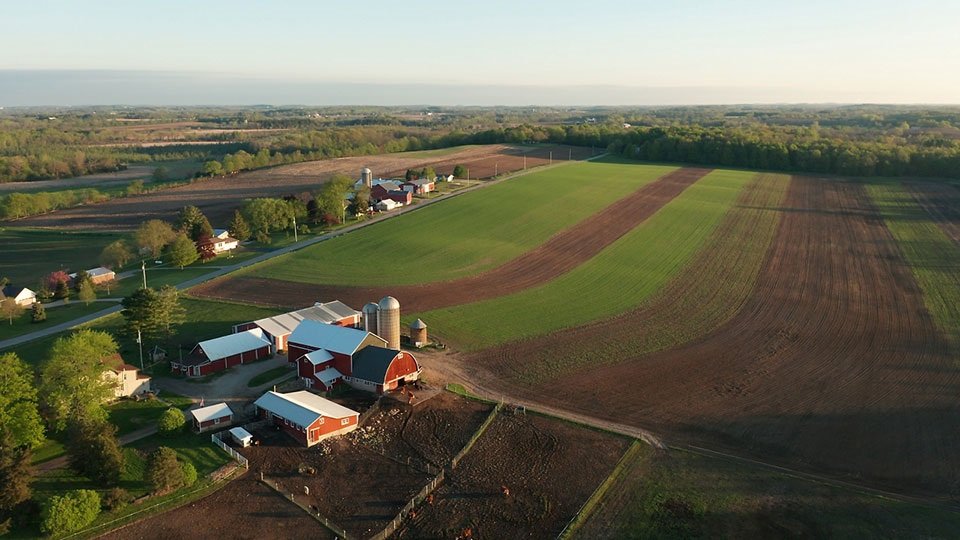
The moment is urgent, but it’s also full of potential, if policy can meet ambition.
The Next Chapter: The Farm Security Initiative
The Farm Security Initiative (FSI) builds on this long story of American agriculture. We are a citizen‑led, non‑partisan effort dedicated to protecting family farmland through practical, state‑level policy frameworks. Our goal is simple: keep working land in local hands and support succession, ownership, and community resilience so that the land that feeds the nation remains tied to those who care for it.